- Hardwood Flooring
The Impact Of Humidity On Different Types Of Wood Flooring
February 10, 2025
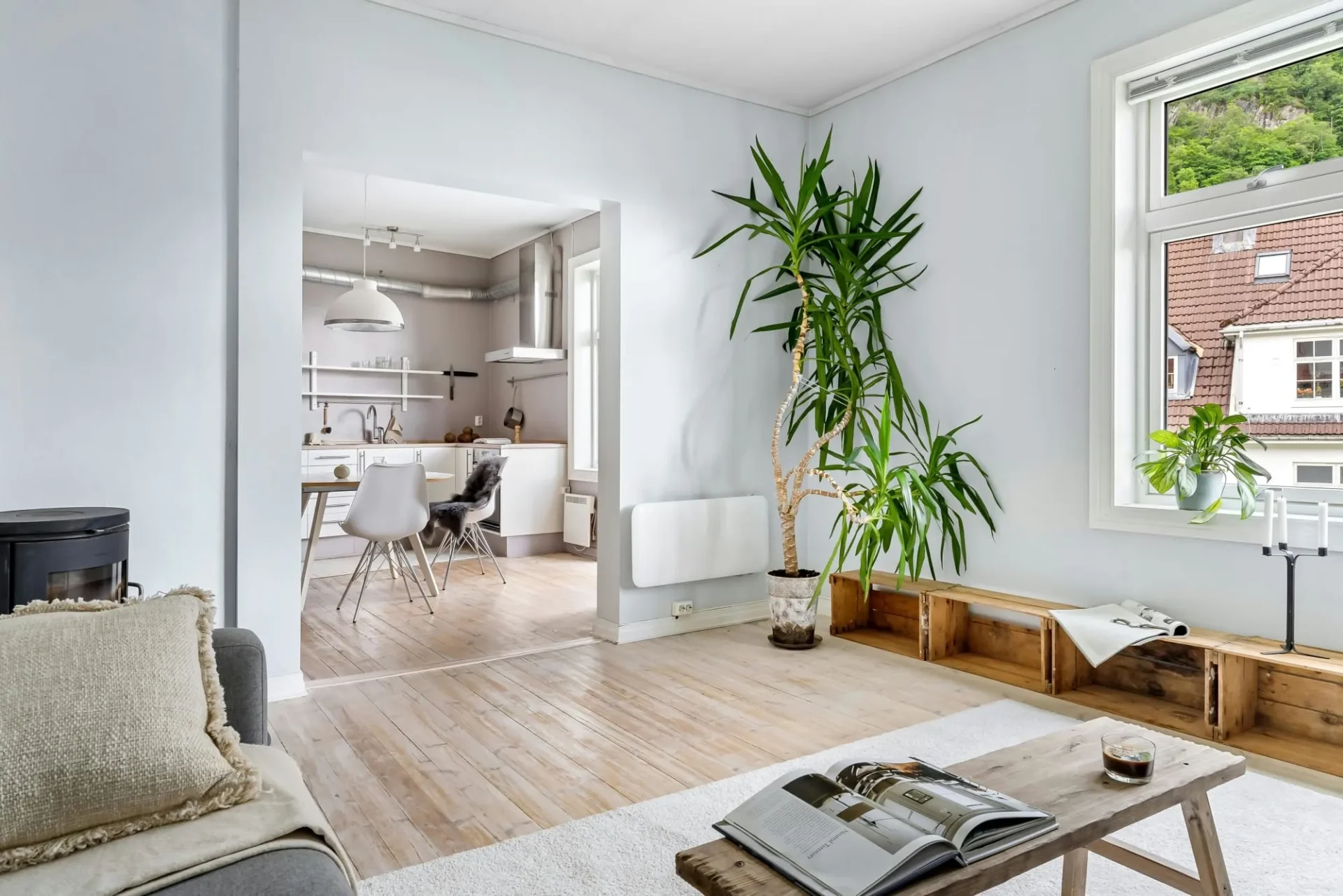
Wood flooring brings natural beauty and warmth to any home, but Hawaii’s unique climate presents specific challenges for homeowners. Located in Honolulu, Bougainville Flooring Super Store understands the delicate relationship between humidity and wood flooring that island residents face daily. With our extensive inventory and DIY supplies, we’ve helped countless customers throughout Pearl City, Waipahu, Mililani, Aiea, Kapolei, and Ewa Beach protect their investments from humidity damage.
When wood whispers “help”: Understanding humidity’s silent assault
Wood is hygroscopic, meaning it naturally absorbs and releases moisture based on environmental conditions. This constant expansion and contraction can dramatically impact your flooring’s appearance, structural integrity, and lifespan. Different wood species respond uniquely to humidity fluctuations, making proper selection and maintenance crucial for Hawaii’s climate.
How humidity affects common wood flooring types
Solid hardwood flooring, while beautiful and timeless, is particularly susceptible to humidity changes. When exposed to excessive moisture, boards can swell, creating pressure that results in cupping (edges higher than centers) or crowning (centers higher than edges). In extreme cases, this pressure can cause boards to split or crack.
Engineered hardwood offers better stability in humid environments thanks to its cross-layered construction. These layers run in different directions, reducing the wood’s natural tendency to expand and contract. However, even engineered flooring has its limits – prolonged exposure to extreme humidity can eventually cause delamination where these layers separate.
Bamboo flooring, popular for its sustainability and hardness, reacts differently depending on how it’s manufactured. Strand-woven bamboo typically withstands humidity better than horizontal or vertical bamboo constructions, but all types remain vulnerable to extreme conditions without proper care.
Critical humidity thresholds every homeowner should know
Most wood flooring manufacturers recommend maintaining relative humidity between 35-55% for optimal performance. In Hawaii’s climate, where humidity regularly exceeds these levels, preventative measures become essential. When relative humidity reaches:
- 60-65%: Minor expansion begins, with potential gapping between boards
- 65-70%: Noticeable swelling occurs, possibly leading to cupping
- Above 75%: Significant risk of permanent damage including warping and structural compromise
- Below 30%: Shrinkage and cracking become concerns (rare in Hawaiian climate)
Protective measures for Hawaiian homeowners
Protecting your wood flooring begins with proper installation. Moisture testing the subfloor is crucial – concrete subfloors should read below 3% moisture content, while wood subfloors should maintain levels within 2% of the flooring material itself. Appropriate moisture barriers and proper acclimation (allowing wood to adjust to your home’s environment for at least 72 hours) significantly reduce future issues.
After installation, maintaining consistent indoor humidity becomes your primary defense. Modern HVAC systems with humidity controls offer one solution, while standalone dehumidifiers provide targeted protection in problem areas like bathrooms and kitchens. Regular monitoring with humidity meters allows for early intervention before damage occurs.
Restoration options when humidity strikes
Even with precautions, Hawaii’s climate can sometimes overwhelm preventative measures. Minor cupping often resolves naturally once humidity returns to normal ranges. More significant damage requires intervention – light sanding and refinishing can address surface issues, while severe cases might necessitate partial or complete replacement.
Find everything you need for humidity-resistant wood floors in
Honolulu, Hawaii
At Bougainville Flooring Super Store in Honolulu, HI, we stock a comprehensive selection of moisture mitigation products, testing equipment, and specialized installation supplies designed specifically for Hawaii’s climate challenges. Our warehouse houses over half a million inventory items, including moisture barriers, vapor retarders, and specialized adhesives that help wood flooring withstand humidity fluctuations. Visit our showroom where you can walk on various installed floor types to experience how different woods perform in real-world conditions, plus get expert DIY guidance, instructional videos, and even tool rentals to ensure your project succeeds in our unique island environment.
- Humidity Control
You Might Also Like
Ready to Upgrade Your Home?
From flooring to window coverings, we make it simple to transform your space — stylish, durable, and built to last.