- Flooring Store
How to Protect Your Floors from Ocean Air and Moisture in Hawaii
July 21, 2025
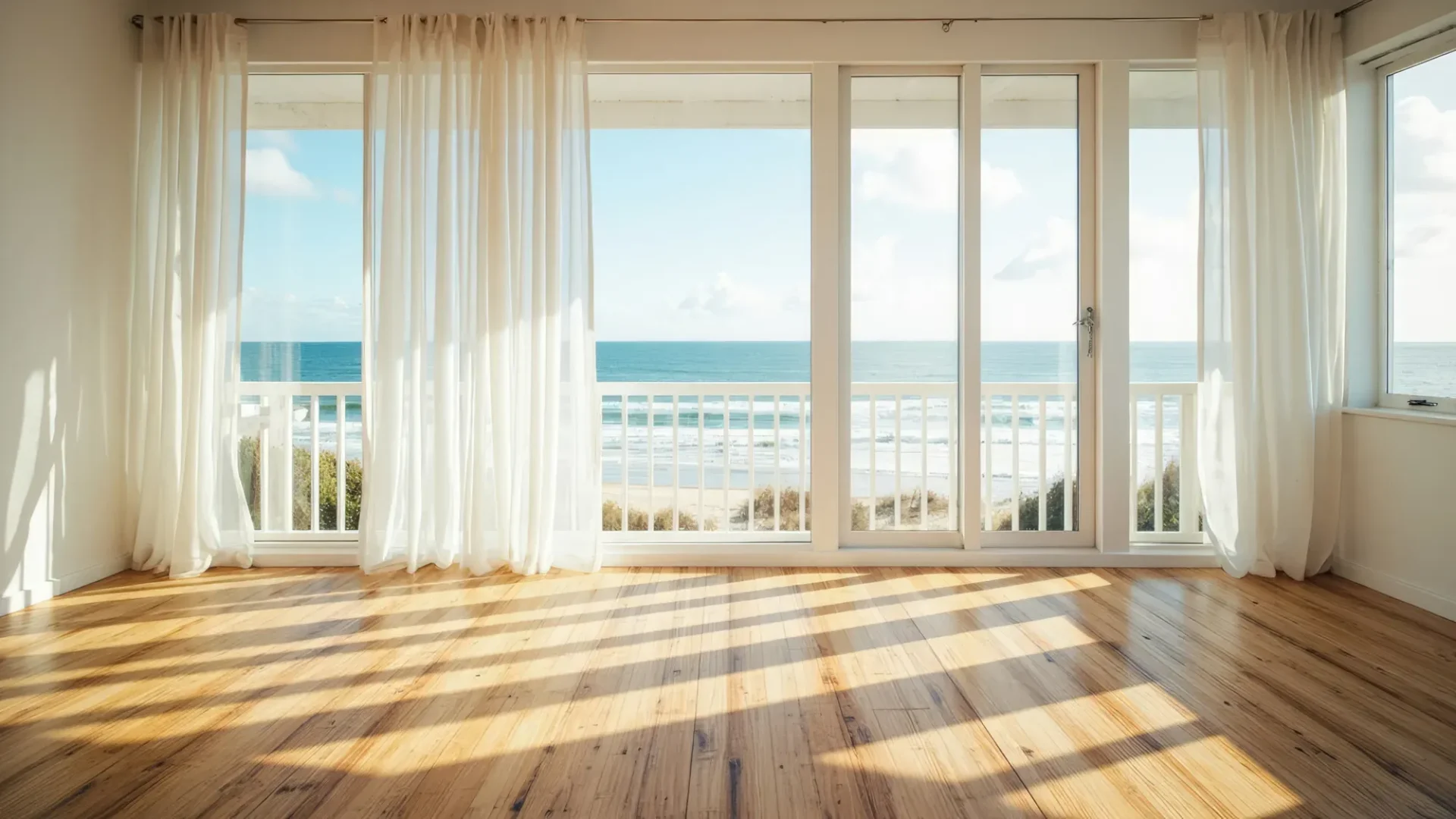
Hawaii’s unique beauty comes with a distinct climate: persistent ocean air and abundant moisture. While this tropical paradise is idyllic, these elements can be formidable adversaries to your home’s flooring. As Hawaii’s premier flooring experts, Bougainville Flooring Super Store understands these challenges intimately. Since 1990, we’ve been helping local homeowners in Honolulu, Pearl City, Waipahu, Mililani, Aiea, Kapolei, and Ewa Beach protect their investments. This article will guide you through the essential steps to safeguard your floors from the island’s unique environmental demands.
Understanding the impact of ocean air and humidity
The air in Hawaii carries more than just the scent of plumeria; it’s laden with humidity and salt. This combination can lead to several issues for flooring:
- Expansion and Contraction: Materials like natural wood are hygroscopic, meaning they absorb and release moisture from the air. This constant fluctuation causes wood to expand when humidity is high and contract when it’s low, leading to unsightly gaps, cupping (edges rising), or crowning (center rising).
- Warping and Buckling: In extreme cases, excessive moisture absorption can lead to more severe structural damage, causing floors to warp, buckle, or even delaminate, particularly with laminates that aren’t truly waterproof.
- Mold and Mildew Growth: Persistent moisture creates an ideal breeding ground for mold and mildew, especially in poorly ventilated areas or underneath materials that trap moisture. This not only compromises the appearance of your floors but can also impact indoor air quality.
- Corrosion and Degradation: The salt in ocean air can contribute to the corrosion of metal components within your flooring system and can degrade certain finishes over time.
Choosing the right flooring for Hawaii’s climate
The first and most crucial step in protecting your floors is selecting materials engineered to thrive in high-humidity, coastal environments. While any flooring can be affected by extreme conditions, some are far more resilient.
- Luxury Vinyl Plank (LVP) and Luxury Vinyl Tile (LVT): These are perhaps the champions of durability in humid climates. Modern LVP and LVT products are 100% waterproof, making them impervious to expansion and contraction caused by moisture. They offer a vast array of styles, mimicking natural wood and stone, and are incredibly easy to clean and maintain. Their layered construction provides exceptional stability, resisting indentation and wear.
- Engineered Hardwood: For those who desire the timeless beauty of wood, engineered hardwood is a far more stable option than solid hardwood in Hawaii’s climate. Its multi-layered construction, with a real wood veneer on top and stable core layers underneath, significantly reduces the susceptibility to warping and gapping caused by humidity fluctuations. It offers the warmth and elegance of traditional wood with enhanced moisture tolerance.
- Tile Flooring (Ceramic and Porcelain): These materials are inherently moisture-resistant and ideal for areas prone to spills like kitchens, bathrooms, and entryways. They do not absorb water, making them immune to warping or buckling. They also stay cool underfoot, a welcome feature in a warm climate. Proper sealing of grout lines is essential to prevent moisture infiltration beneath the surface.
- Rubber Flooring: Known for its exceptional durability and water resistance, rubber flooring is an excellent choice for areas exposed to moisture. It’s non-porous, making it resistant to mold and mildew, and its inherent elasticity provides comfort underfoot and excellent sound absorption. Available in various colors and patterns, it’s ideal for utility rooms, gyms, or even residential spaces where high moisture resistance is paramount.
Essential installation techniques and considerations
Even the most moisture-resistant flooring needs proper installation to perform optimally in Hawaii.
- Subfloor Preparation is Key: Ensure your subfloor is clean, level, and, most importantly, dry before installation. Moisture testing the subfloor is critical. If high moisture readings are found, identify the source and correct the problem before proceeding.
- Moisture Barriers: For concrete slabs or areas prone to moisture, a high-quality vapor barrier or underlayment is essential. This creates a protective layer, preventing moisture from seeping up into your flooring.
- Acclimation: While some modern waterproof floors require less acclimation time, it’s always recommended to allow your chosen flooring material to adjust to your home’s specific temperature and humidity levels for at least 48-72 hours (or even longer in extreme humidity, up to 21+ days for some wood products) before installation. This minimizes post-installation movement.
- Expansion Gaps: Even with dimensionally stable flooring, leaving appropriate expansion gaps around the perimeter of the room and against all vertical objects is crucial. This allows the flooring to expand and contract naturally with minor environmental shifts without buckling.
- Proper Adhesives: For glued-down installations, use adhesives specifically designed for humid climates, often pressure-sensitive with water-resistant bonds.
Post-installation care and maintenance
Once your new floors are installed, ongoing care is vital to their longevity.
- Maintain Consistent Indoor Humidity: Ideally, aim to keep indoor humidity levels between 30-50%. While not always easy in Hawaii, using dehumidifiers during peak humidity and ensuring good ventilation (fans, open windows when appropriate) can help regulate the environment. A hygrometer can help you monitor levels.
- Promptly Clean Spills: No matter how waterproof your flooring, it’s always best practice to clean up spills immediately. Standing water, even on waterproof surfaces, can eventually find its way into seams or affect the subfloor.
- Appropriate Cleaning Methods: For most moisture-resistant floors, a damp (not wet) mop is sufficient for regular cleaning. Avoid excessive water or steam cleaners, especially on hardwood or laminate, as they can push moisture into the material.
- Use Protective Mats and Rugs: Place mats at entryways to trap moisture and dirt from outside. Consider moisture-resistant rugs with breathable backings in high-traffic areas or spots prone to splashes, such as near sinks.
- Regular Cleaning: Sweep or vacuum regularly to remove dirt, sand, and debris that can scratch or wear down your floor’s finish.
By understanding the unique challenges posed by Hawaii’s ocean air and moisture, and by making informed choices in flooring materials and installation practices, you can ensure your floors remain beautiful and durable for years to come.
Your flooring journey begins here
At Bougainville Flooring Super Store, we are the flooring experts dedicated to bringing you an expansive and varied selection that stands up to Hawaii’s unique climate. Located in Honolulu, HI, and serving Pearl City, Waipahu, Mililani, Aiea, Kapolei, and Ewa Beach, we stock more flooring and carpet than any other flooring company on the island. Our 5,000+ square foot showroom provides a hands-on experience, allowing you to see how flooring truly looks installed. We also offer comprehensive DIY support, including instructions, videos, installation tools, supplies, and even tool rentals, ensuring you have everything you need for a confident decision and successful project.
- Engineered Wood Flooring
- Luxury Vinyl
- Rubber Flooring
You Might Also Like
Ready to Upgrade Your Home?
From flooring to window coverings, we make it simple to transform your space — stylish, durable, and built to last.