
- Tile Grout
Exploring Different Tile Grout Options: Which is Best for Your Tile Flooring?
August 1, 2025
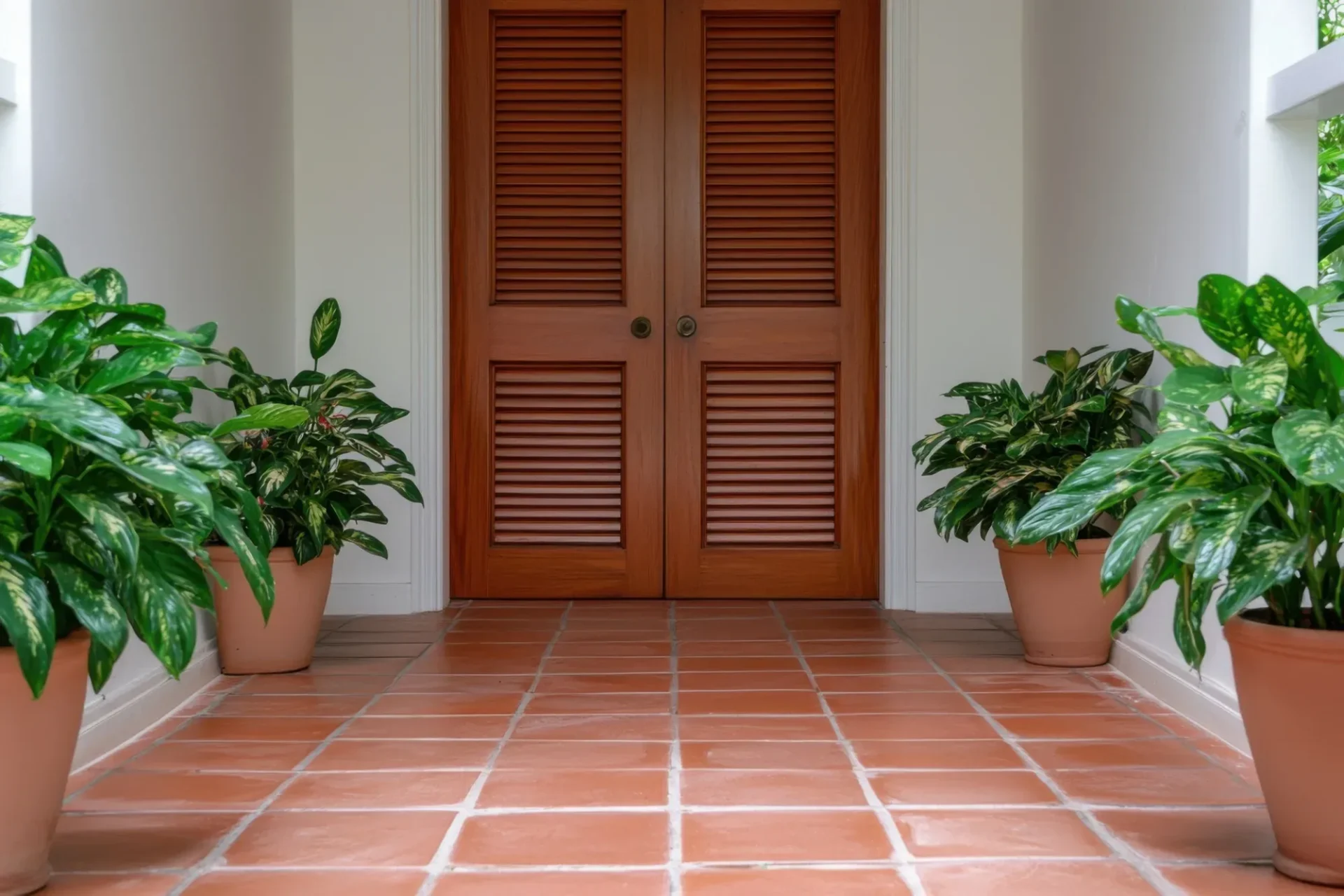
When most people think about tile flooring, the first things that come to mind are the tile styles, colors, and finishes. But there’s another element that plays a huge role in both performance and aesthetics—grout. The type of grout used between tiles not only holds everything in place but also influences how the flooring looks, feels, and lasts over time. Choosing the right grout can mean the difference between a sleek, seamless finish and one that struggles with maintenance or wear.
Why grout matters more than expected
Grout is more than just filler. It stabilizes tiles, prevents moisture from seeping underneath, and enhances the finished design. Depending on the room, tile type, and traffic level, different grouts can deliver better durability, stain resistance, or flexibility. That’s why it’s worth exploring each option carefully.
Sanded grout: the go-to for wider joints
Sanded grout is one of the most commonly used options. It contains fine sand particles that give it strength and help it stay in place without shrinking.
- Best for: Tile joints wider than 1/8 inch
- Advantages: Affordable, durable, widely available
- Considerations: The sandy texture can scratch delicate tiles like glass or polished stone if not applied carefully
This grout is an excellent choice for high-traffic areas like kitchens and hallways, where durability is key.
Unsanded grout: smooth and sleek finishes
Unlike its sanded counterpart, unsanded grout has a smoother texture since it doesn’t contain sand particles.
- Best for: Tile joints smaller than 1/8 inch
- Advantages: Smooth finish, ideal for vertical installations like bathroom walls and backsplashes
- Considerations: Not as strong as sanded grout for wide joints and may shrink if used improperly
Unsanded grout is perfect for projects that require precision and a refined, polished look.
Epoxy grout: built for performance
Epoxy grout is a premium choice made from epoxy resins and hardeners. Unlike cement-based grouts, it is highly resistant to stains, water, and chemicals.
- Best for: Bathrooms, kitchens, outdoor areas, and commercial spaces
- Advantages: Long-lasting, stain-resistant, waterproof
- Considerations: More expensive and challenging to apply, often requiring professional installation
For homeowners who want flooring that stands up to heavy use and moisture, epoxy grout is a game-changer.
Urethane grout: flexibility and ease
Urethane grout is another high-performance option. Pre-mixed and ready to use, it provides flexibility and durability without the hassle of sealing.
- Best for: A variety of tile projects, including glass, porcelain, and natural stone
- Advantages: Stain-resistant, flexible, and easy to clean
- Considerations: Higher cost and limited color availability compared to cement grouts
This option is especially useful for DIY enthusiasts who want strong results without dealing with complicated mixing or sealing steps.
Choosing the right grout color
Grout isn’t just about performance—it’s also a design element. The right color can dramatically change the look of a tiled space.
- Matching grout: Creates a seamless, unified look where tiles take center stage
- Contrasting grout: Adds definition and highlights the tile pattern for bold style
- Neutral grout: Works as a versatile middle ground, blending into most designs
Carefully selecting the color ensures that the grout complements the overall style rather than detracting from it.
Tips for long-term grout maintenance
Even the best grout needs proper care to stay looking fresh and performing well.
- Seal cement-based grouts to protect them from stains and moisture
- Clean regularly with mild solutions to avoid buildup
- Address cracks or chips early before they spread
- Consider professional cleaning and resealing for long-lasting results
These small steps go a long way in keeping grout—and tile flooring—looking its best for years.
There’s no one-size-fits-all answer when it comes to choosing grout. The decision depends on the tile type, location, traffic levels, and design goals. For high-moisture spaces, epoxy or urethane are strong contenders. For traditional indoor flooring with wider joints, sanded grout works well. And for walls or delicate tilework, unsanded grout is often the best choice. By weighing the pros and cons of each option, homeowners can ensure their flooring is both beautiful and built to last.
Contact our team today to find the perfect grout and tile for your project
At Bougainville Flooring Super Store in Honolulu, HI, the grout options are just as extensive as the tile selection. As Hawaii’s premier flooring experts, we stock more in flooring, carpet, and installation supplies than anyone else on the island—and our employee-owned team is here to help every step of the way. Visit our 5,000+ square foot showroom to see your options up close, explore DIY resources, and choose the perfect grout and tile combination for your project. Serving Pearl City, Waipahu, Mililani, Aiea, Kapolei, and Ewa Beach, we’re here to make flooring decisions easy and confident. Contact us today!
- Tile Store
You Might Also Like
Ready to Upgrade Your Home?
From flooring to window coverings, we make it simple to transform your space — stylish, durable, and built to last.